Pakistan, China Advance CPEC 2.0 with Focus on Mineral Development and Economic Growth
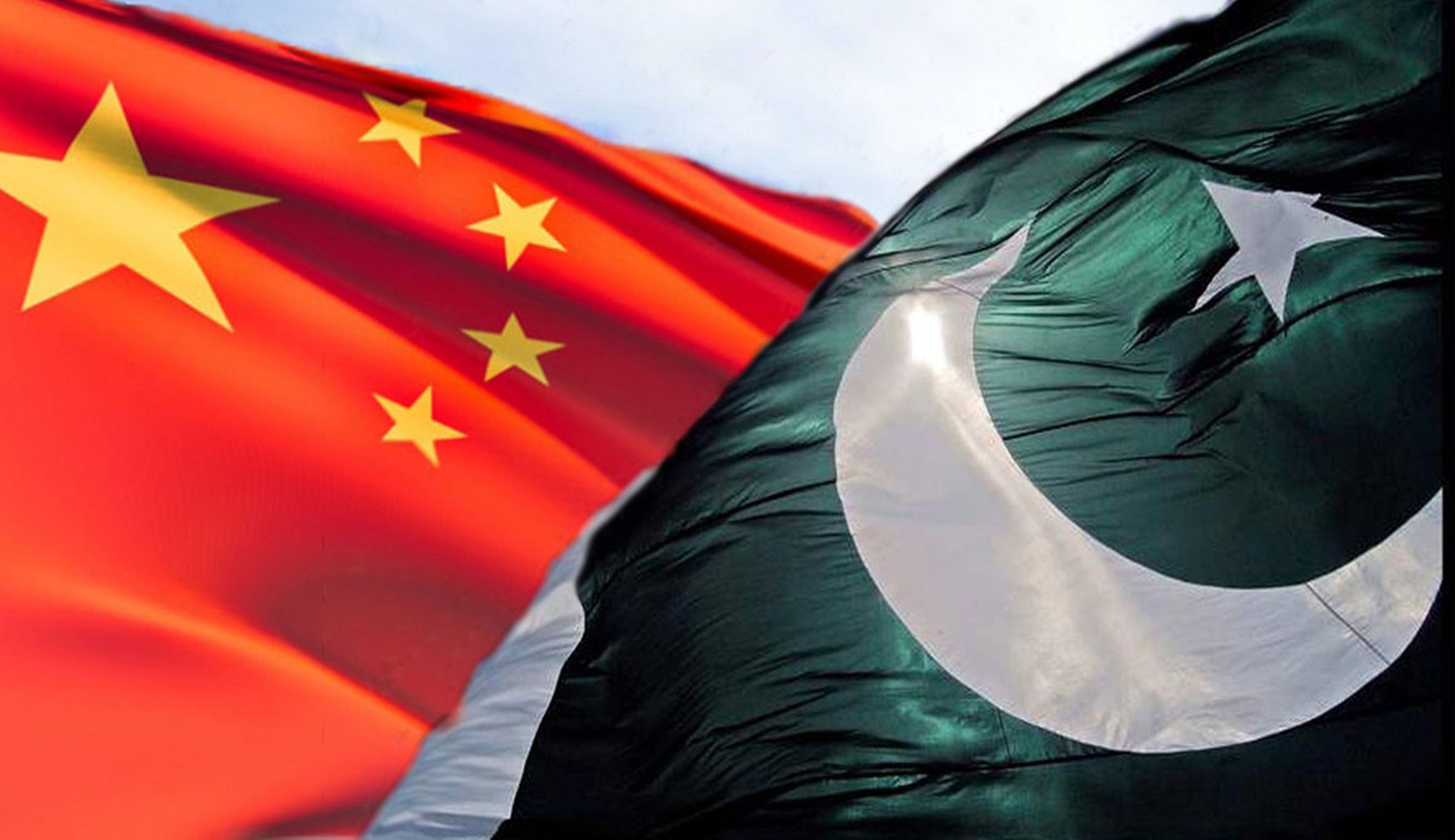
Pakistan and China are set to
enter a new phase of strategic economic cooperation under CPEC 2.0, with a
strong focus on mineral development, industrialization, and export-led growth,
Federal Minister for Planning, Development and Special Initiatives Ahsan Iqbal
announced on Wednesday.
While addressing the China-Pakistan
Mineral Cooperation Forum, the minister stated that Gwadar Port will play a
central role as a gateway linking Pakistan’s mineral-rich regions to regional
and global markets. He highlighted that CPEC Phase-II marks a strategic shift
from infrastructure-driven projects to value-added, investment-oriented, and
export-focused initiatives.
Pakistan’s Untapped Mineral Potential Under CPEC 2.0
Highlighting Pakistan’s vast
natural resources, Ahsan Iqbal revealed that the country is home to 92 known
minerals, with 52 currently being extracted through nearly 5,000 operational
mines. Despite this, mineral exports currently contribute only 2–3% to
Pakistan’s GDP, largely due to limited processing and value addition.
More than 90% of mineral
exports are in raw or semi-processed form, leaving significant room for growth.
The minister emphasized that with modern extraction, processing, and refining
technologies, Pakistan could dramatically increase its mineral export earnings.
Investment Opportunities in Mining and Industrial Development
The government has identified
high-potential sectors including marble, granite, copper, gold, coal, and rare
earth minerals, encouraging Chinese investors to partner in technology-driven
mining and downstream industrial projects.
According to the minister,
effective governance, improved infrastructure, and strategic foreign investment
could help Pakistan’s mineral exports reach $6–8 billion annually, support GDP
growth of up to 6%, and generate over 350,000 new jobs.
Existing initiatives such as Saindak
Copper-Gold Project, Duddar Lead-Zinc Mine, and Thar Coal Development already
demonstrate the long-term potential of mineral-based industrialization.
Gwadar and Economic Corridors to Drive Regional Connectivity
To strengthen connectivity,
the government is promoting development along strategic corridors such as Naukundi–Mashkhel–Turbat–Gwadar,
directly linking Balochistan’s mineral belt with Gwadar Port. This integration
is expected to boost trade, logistics, and real estate development across key
regions.
For Pakistan’s real estate and
investment landscape, these developments signal long-term growth in industrial
zones, commercial hubs, and infrastructure-led property demand, particularly
around Gwadar and economic corridors.
Inclusive Growth, ESG Compliance, and Investor Confidence
The minister stressed the
importance of responsible and inclusive development, ensuring that mineral-rich
regions including Balochistan, Gilgit-Baltistan, and Khyber Pakhtunkhwa benefit
through employment, skills development, infrastructure, and social services.
He also emphasized strict environmental
standards and compliance with ESG (Environmental, Social, and Governance)
principles to ensure sustainable growth and enhance investor confidence.
Fast-Track Investment Through SIFC
To facilitate foreign
investment, Pakistan has strengthened institutional coordination under the Special
Investment Facilitation Council (SIFC), offering fast-track approvals, policy
consistency, and a secure environment for Chinese and international investors.
“With China as our trusted
partner, Pakistan is committed to transforming its mineral wealth into
industrial strength, export competitiveness, and shared prosperity,” Ahsan
Iqbal concluded.