Real Estate Sector in Pakistan Gets Major Relief: What It Means for Investors in Lahore
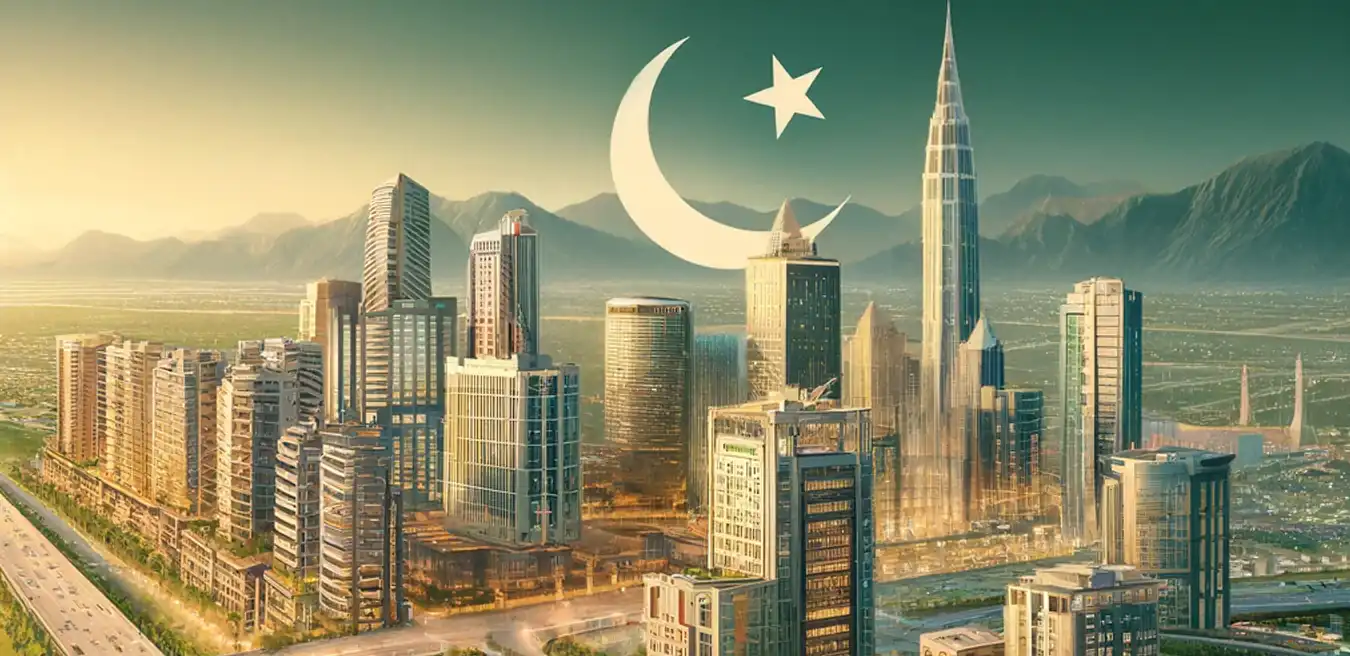
Pakistan’s real estate and
construction sector has always been the backbone of the national economy. From
creating large-scale employment to driving industries like cement, steel, and
interior finishing, its impact goes far beyond buying and selling property.
Over the past few years,
however, rising taxes and transaction costs have slowed market activity.
Now, in a much-needed shift, the government has introduced a series of reforms
aimed at reviving real estate investment in Pakistan, especially in key cities
like Lahore and Islamabad.
Let’s break down what’s
changed and how it directly benefits investors, builders, and buyers.
Why These Reforms Matter for Pakistan’s Property Market
To understand the importance
of these initiatives, consider this: Pakistan’s salaried class contributed
significantly more in taxes compared to the real estate sector in FY 2025-26.
This gap highlights the untapped potential within the property market.
The government’s strategy is
simple: reduce the burden, increase transparency, and attract investment,
particularly from overseas Pakistanis.
Business leaders have also
been pushing for this shift, encouraging investors to bring capital back to
Pakistan rather than invest in markets like the UAE. With these new
incentives, that argument is becoming stronger than ever.
Islamabad Property Transfer Fee Reduced – A Big Win for Investors
One of the most impactful
changes has come from the Capital Development Authority (CDA).
Property transfer fees in
Islamabad have been reduced from 3% to just 1%, significantly lowering the cost
of buying and selling property.
This move:
·
Makes transactions
more affordable
·
Encourages
documented deals
·
Increases overall
market activity
For investors, this means higher
liquidity and faster deal closures, a major advantage in today’s market.
Punjab Stamp Duty Reduced to 1% – Massive Boost for Lahore Real Estate
For investors in Lahore and
across Punjab, this is one of the biggest developments.
The Punjab government has standardized
stamp duty at just 1%, down from:
·
3% in rural areas
·
1% in urban areas
Why this matters:
·
Reduces overall
property transaction cost
·
Encourages legal
documentation of deals
·
Brings more
activity into the formal economy
For Lahore’s growing real
estate market, especially in areas like Bahria Town, DHA, and emerging
high-rise projects, this is a game-changer for both buyers and developers.
FBR Property Valuation Revised – Fairer Taxation Ahead
The Federal Board of Revenue
(FBR) has updated property valuations in major cities, including:
·
Islamabad
·
Faisalabad
·
Multan
·
Sialkot
·
Gujranwala
·
Bahawalpur
Instead of aggressive
increases, the government has made targeted reductions (10%–35%) in key areas.
·
Impact on the
market:
·
More realistic
property valuations
·
Lower tax burden
on transactions
·
Reduced
under-declaration practices
For serious investors, this
creates a more transparent and predictable investment environment.
Relief for Builders & Developers – Improved Cash Flow
Another important step is the withholding
tax exemption for builders and developers under the special tax regime.
Previously, developers faced
liquidity issues due to advance tax deductions. Now, eligible developers can
apply for exemption certificates.
Result:
·
Better cash flow
·
Faster project
execution
·
Increased
construction activity
For buyers, this translates
into more project launches and timely delivery.
Overseas Pakistanis Investment Package – A Major Opportunity
One of the most anticipated
initiatives is the upcoming tax-free real estate investment package for
overseas Pakistanis.
Key highlights:
·
Tax incentives for
foreign investment
·
Introduction of
REITs (Real Estate Investment Trusts)
·
Secure
transactions through escrow systems
·
Development-focused
investment zones
This is especially relevant
for Lahore’s high-rise and luxury developments, where overseas investors are
already a major target audience.
With rising uncertainty in
international markets, Pakistan is positioning itself as a high-return,
emerging real estate destination.
Zero-Tax Policy for Hotel Development in Islamabad
To further boost construction
activity, the government is planning a zero-tax policy for hotel developments
in Islamabad.
This initiative aims to:
·
Attract
international hospitality brands
·
Increase tourism
infrastructure
·
Generate long-term
employment
It also signals a broader
vision, diversifying real estate beyond residential and commercial into
hospitality and mixed-use developments.
A Unified Push to Revive Pakistan’s Real Estate Sector
What makes these reforms truly
impactful is the coordination between:
·
Federal Government
·
Punjab Government
·
CDA &
regulatory bodies
This is not a one-off relief, it’s
a strategic reset of the real estate ecosystem in Pakistan.
For cities like Lahore, where
demand for vertical living and investment projects is growing rapidly, this
alignment creates the perfect environment for expansion.
What This Means for Investors in Lahore
If you’re planning to invest
in real estate in Lahore, this is one of the most favorable times in recent
years.
Here’s why:
·
Lower transaction
costs (stamp duty & taxes)
·
Improved
transparency in valuations
·
Increased
developer activity
·
Expected inflow of
overseas investment
Whether you’re a first-time
buyer, seasoned investor, or overseas Pakistani, these reforms make property
investment more accessible, secure, and profitable.
Final Thoughts
Pakistan’s real estate sector
is entering a new phase, focused on growth, transparency, and investor
confidence.
With reduced taxes, better
regulations, and upcoming incentives for overseas investors, the foundation for
long-term expansion is being laid.
For developers, this means
more opportunities to launch projects.
For investors, it means better returns.
And for buyers, it means easier access to property ownership.
The opportunity is clear,the
only question is how early you position yourself in this evolving market.